Assistant Professor of Computer Science · Director, MOCHA Lab
I study how people read, trust, and reason with visual data, and what changes when AI is in the loop. I earned my PhD in Computer Science & Engineering at Washington University in St. Louis, in the VIBE Lab with Alvitta Ottley.
My work sits between data visualization, human perception, and AI. Each thread links to the papers behind it.
01
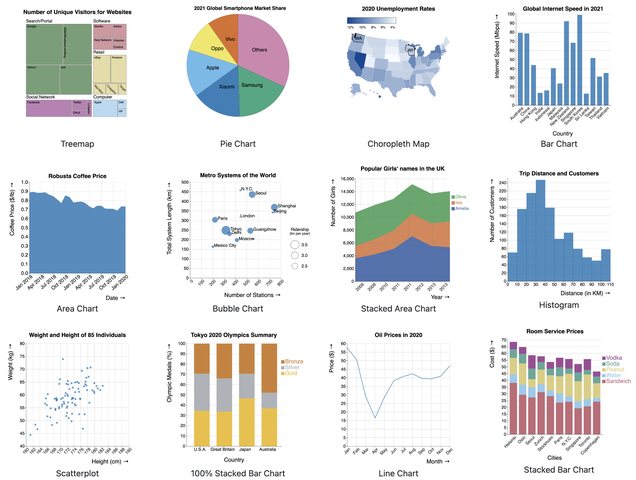
Can people read this chart?
Measuring visualization literacy quickly and reliably. Mini-VLAT, a 12-item test, won Best Paper at EuroVis 2023, and I've since used these tests to benchmark vision-language models.
02
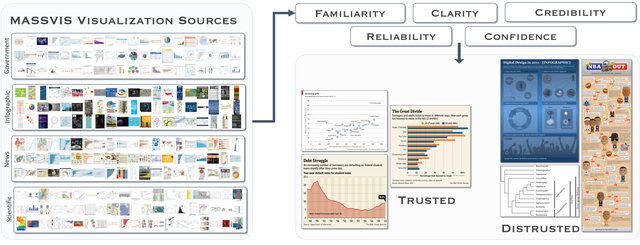
Do they trust what they see?
What makes a visualization feel trustworthy, which factors build or erode that trust, and how to measure it as more than a single number, from the viewer's side of the chart.
03
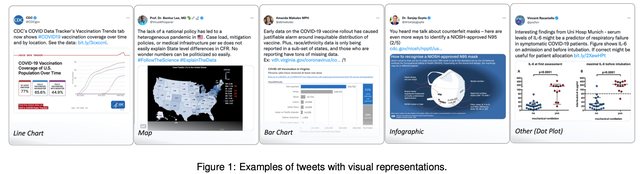
What happens when AI reads, and makes, images?
Vision-language models on literacy tests, multi-agent LLM systems that help people design charts, and when detectors can (and can't) tell a generated image from a real one.
Publications
Papers
Newest first. For citation counts and the full list, see Google Scholar.
Under review Titles only, during anonymous review
In review
Déjà VAE: When Do Autoencoder Traces Reveal Generated Images?
Saugat Pandey
Under review · 2026
In review
False-Positive Rates of Detectors of AI-generated Chest Radiographs across Held-out Public Datasets
Saugat Pandey
Under review · 2026
2025
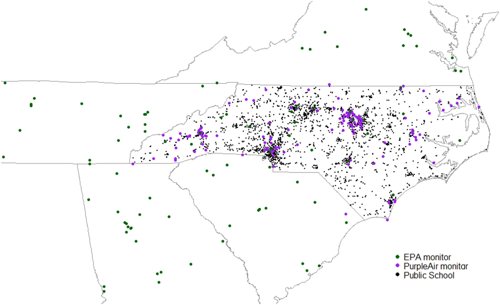
Estimating PM2.5 Concentrations at Public Schools in North Carolina Using Multiple Data Sources and Interpolation Methods
Rachel Carroll, Paul Bailey, Saugat Pandey, Dana McCalla, Thomas Snyder
I came across this while working with Python's datetime module: a ten-character string like '2020010112' quietly turned into January 1, 2020, with the last two characters thrown away. I sent in a fix for both the C and pure-Python parsers, along with tests. It took a couple of weeks of patience (lol), but it was approved and merged, then backported to Python 3.15 and 3.14. I did the 3.14 backport by hand after the automatic one hit a conflict.
Resized ctypes objects no longer read or write out of bounds
>>> ctypes.resize(obj, 64) # grow past its type
# beforebool(obj) read past a 16-byte buffer
# after bool(obj) reads only sizeof(type)
After ctypes.resize(), a simple object's buffer is larger than its type. bool() and passing the object to a C function still used the buffer's size, so bool() read past the end of an internal 16-byte buffer, and the call copied the whole buffer into a fixed-size slot, corrupting the heap. The fix uses the type's size instead, matching how the value getter already worked.
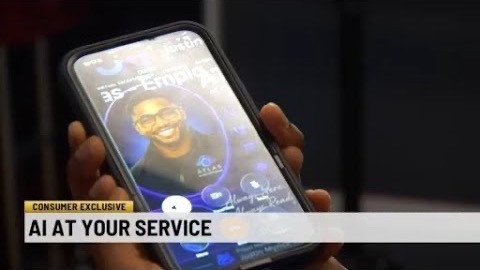
AI agent at your service: Is this new tech right for you?
WSPA 7News interviewed me about AI agents built for everyday consumers. My advice: limit how much independence you give them, take the companies' own warnings that they make mistakes seriously, and watch out for prompt injection, where hidden instructions hijack an agent into doing things you never asked for.
Talked consumer AI agents, privacy, and prompt injection on WSPA 7News.
Media
Submitted two papers on detecting AI-generated images, “Déjà VAE” and a study of false-positive rates for chest-radiograph detectors. Both are under review.
Submitted
Launched The MOCHA Lab, my research group at Furman.
Lab
Started as Assistant Professor of Computer Science at Furman University in Greenville, SC.
Career
Defended my PhD dissertation at Washington University in St. Louis.
Milestone
PM2.5 at North Carolina public schools, published in Scientific Reports.
Published
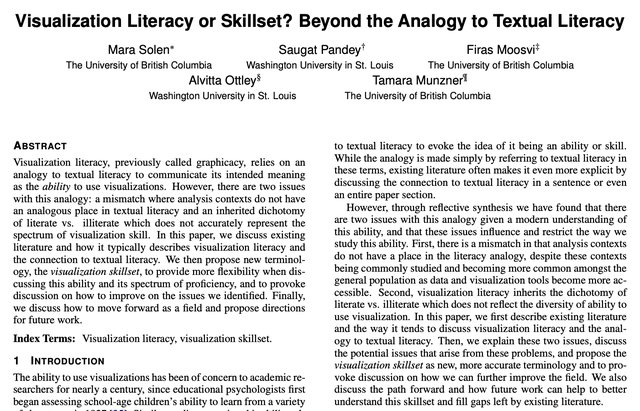
“Visualization Literacy or Skillset?” accepted at the IEEE VIS Workshop on Visualization for Communication.
Accepted
Presented my work benchmarking vision-language models at EuroVis in Luxembourg City.
Talk
Moved to Seattle for the summer as a Research Scientist Intern at Adobe.
Internship
Passed my dissertation proposal.
Milestone
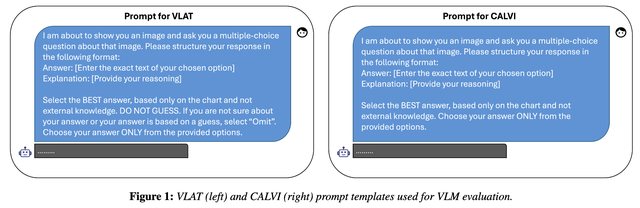
“Benchmarking Visual Language Models on Standardized Visualization Literacy Tests” accepted at EuroVis 2025.
Accepted
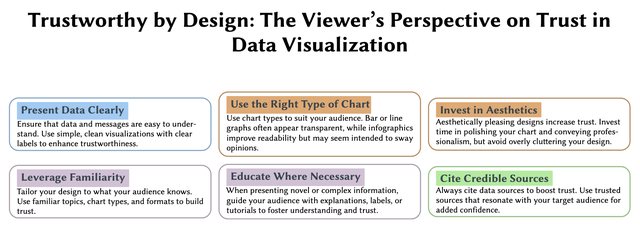
“Trustworthy by Design” accepted at ACM CHI 2025.
Accepted
Finished co-instructing Introduction to Visualization at WashU, rated 6.67 out of 7.
Teaching
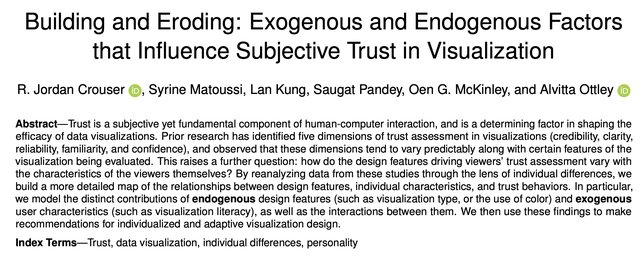
Paper on what builds and erodes trust in visualization accepted at IEEE VIS 2024.
I'm always glad to hear from prospective students, collaborators, and anyone curious about visualization, perception, or AI. Tell me a little about yourself and I'll get back to you.